HEMP BEVERAGES AND THE INEVITABLE SHIFT TO THREE-TIER.
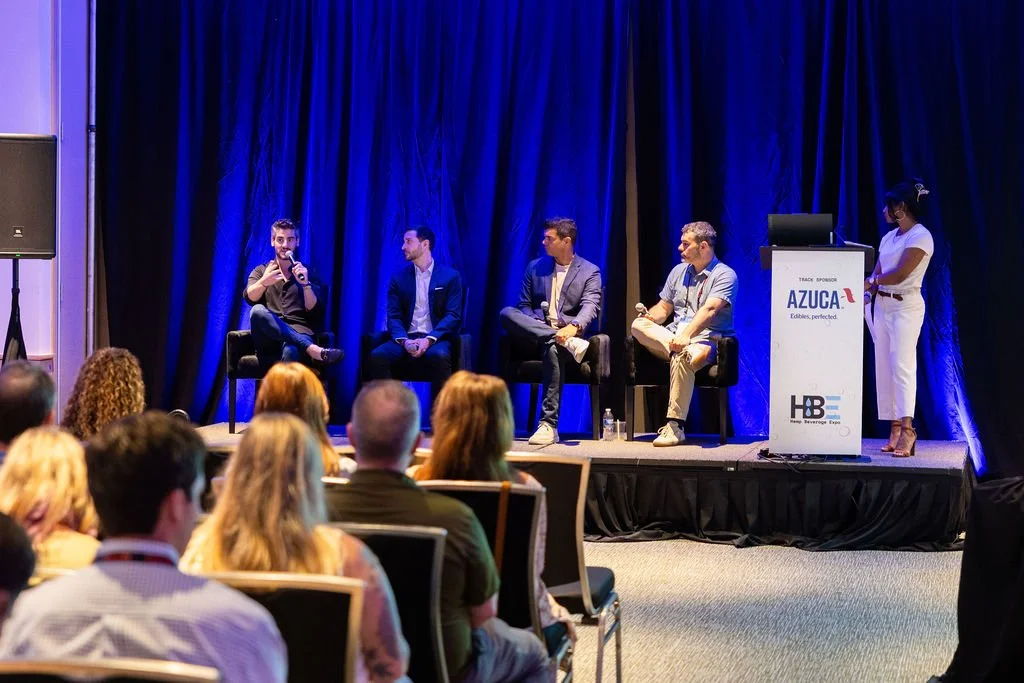
Mary Clarke, far right, leads the discussion at the Hemp Beverage Expo in Austin, Texas. Panelists included Gary Schneidkraut – Founder & Principal, Beverage Alcohol Consultants (BAC); Jean-Michel (“JM”) Leroux - Global Director: Casa San Lucas, Cobblestone Brands; Chris Herron – Chief Executive Officer, Climbing Kites; and Adam Oliveri – Co-Founder & CEO, Craft Collective Homegrown.
As policymakers search for a regulatory path forward, many signs point to one outcome: folding hemp beverages into the alcohol industry’s three-tier system. For operators, that means new rules and new partners.
We were honored to have Mary Clarke moderate a panel on three-tier distribution at this year's Hemp Beverage Expo. We were even more excited when she agreed to write up this summary of the discussion.
The Inevitable Shift? Preparing for Hemp Beverage’s Three-Tier Future
As regulators evaluate a path forward for hemp beverages, many signs point toward integration into the traditional three-tier (3T) system. This panel focused on what that shift would mean in practice, and why brands should begin preparing now rather than reacting later.
The Shift to a Three-Tier Model
Panelists began with an overview of the 3T system, which separates suppliers, distributors, and retailers. While it offers structure and clear compliance pathways, it also introduces tradeoffs, including reduced flexibility, increased complexity, and tighter margins. For hemp beverage brands, many of which have relied on more direct routes to market, this would represent a significant operational shift.
Rethinking Distribution Strategy and Relationships
A central theme was that success in a 3T environment starts with choosing the right distribution partner—and not simply the largest one. Panelists encouraged brands to focus on alignment, portfolio fit, and the level of attention they will realistically receive.
Key considerations included distinguishing between an “offer” and a true opportunity, understanding the differences between beer versus wine and spirits distributors, and evaluating the tradeoffs between large, mid-size, and regional players. The group also noted that not every brand is ready for a traditional distributor relationship, and that incubation or logistics partners can serve as an important interim step. Across all stages, honesty about a brand’s capabilities and goals is critical when entering these relationships.
Making the Model Work
Securing distribution is only the beginning. Panelists emphasized that brands must actively drive demand and support their distributor to achieve meaningful growth. That includes thinking from the distributor’s perspective, demonstrating clear intent in positioning and strategy, and building collaborative, not adversarial, relationships. Brands that succeed are those that consistently engage, stand out within a crowded portfolio, and take ownership of their growth.
Planning for Contracts, Margins, and What’s Ahead
Operating within the 3T system also requires greater sophistication around contracts, pricing, and tax considerations. With distributors holding significant leverage, brands must carefully evaluate terms and understand the long-term impact on margins and flexibility.
The takeaway was consistent throughout the discussion: if the industry is moving in this direction, brands should act now. Building the right partnerships, refining go-to-market strategies, and understanding the realities of distribution will be essential - because waiting is not a strategy.